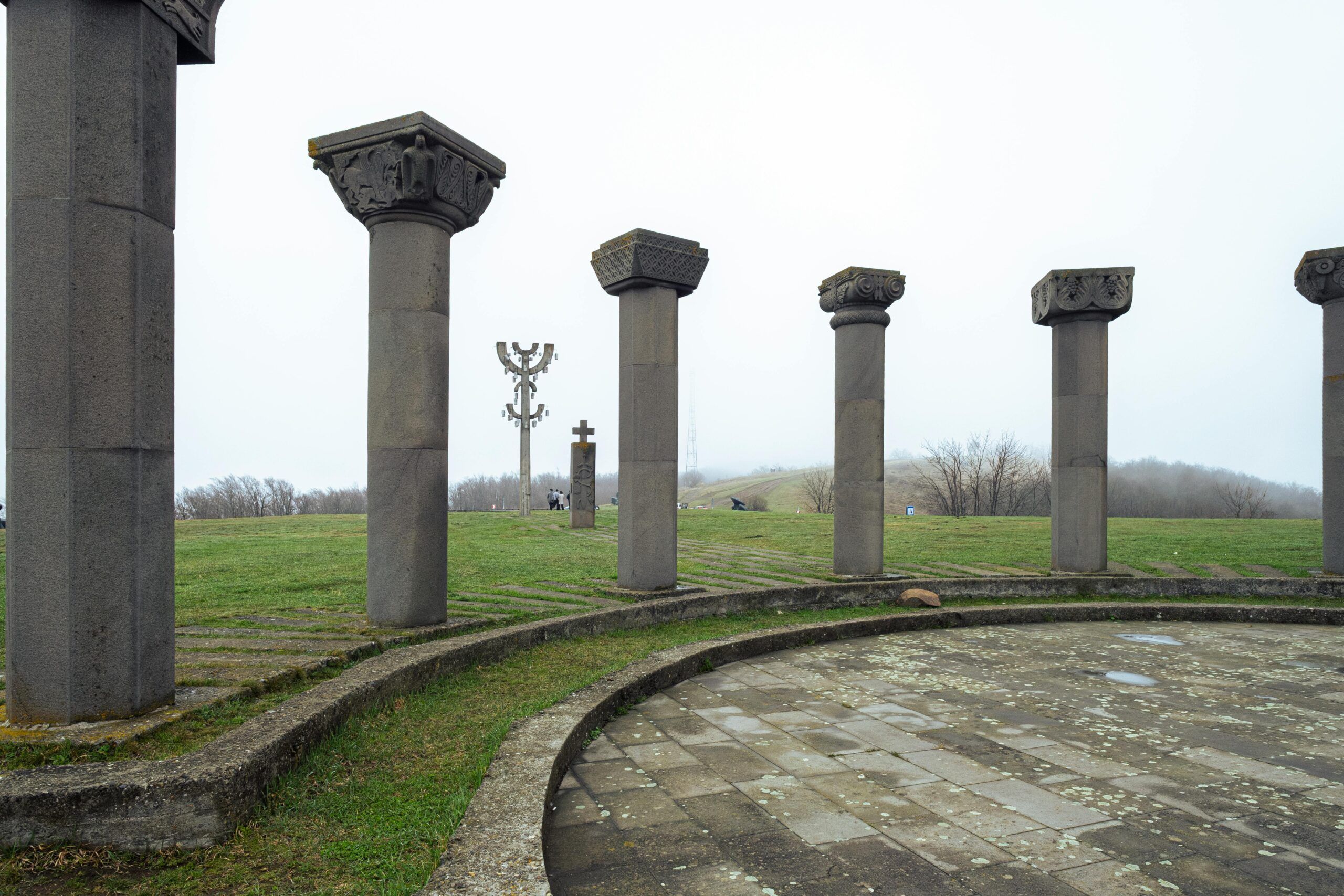
A House Built by God
“Wisdom has built her house; she has hewn out its seven pillars.”
— Proverbs 9:1 (NIV)
In the ancient world, a house built with pillars signified strength, beauty, and permanence. So when Proverbs 9:1 tells us that “Wisdom has built her house,”… it speaks of something more than just physical structure; it speaks of a life built on the foundation of God’s truth. The “seven pillars” represent the divine characteristics that support a wise life. But what exactly are they?
The Apostle James gives us a stunning picture in James 3:17, where he outlines what the “wisdom from above” looks like. These seven traits: Purity, Peace-loving, Gentleness, Willingness to Yield, Full of Mercy and Good Fruit, Impartiality, and Sincerity- are not just ideas; they are spiritual building blocks. Let’s examine each of these pillars, not only to understand them but to live them.
1. Purity – Wisdom’s Foundation
“But the wisdom that comes from heaven is first of all pure…”
— James 3:17 (NIV)
Purity comes first because it is the foundation of all godly wisdom. The word “pure” in Greek (hagnos) refers to being uncontaminated, holy, and unmixed. It speaks of a heart that seeks God’s will with sincere motives, free from duplicity or selfish ambition. Before wisdom can flow into our decisions, relationships, and speech, our hearts must be purified.
Jesus said, “Blessed are the pure in heart, for they will see God” (Matthew 5:8). Purity opens our spiritual eyes. It allows us to discern truth from deception and righteousness from compromise. We see this in the life of Daniel, who resolved not to defile himself even while surrounded by Babylonian culture (Daniel 1:8). His commitment to purity made him a man of extraordinary insight and favor.
Purity in wisdom means our counsel, choices, and leadership are rooted in reverence for God, not personal gain. It keeps wisdom unpolluted and trustworthy.
2. Peace-Loving – The Pursuit of Harmony
“…then peace-loving…”
— James 3:17 (NIV)
Wisdom from above is never combative, argumentative, or quarrelsome. Rather, it is peace-loving; it seeks unity and reconciliation over division and strife. This doesn’t mean avoiding truth or ignoring sin, but it means truth is spoken in a way that invites healing and not hostility.
Romans 12:18 instructs us, “If it is possible, as far as it depends on you, live at peace with everyone.” A wise person doesn’t pour fuel on fires; they bring water. They don’t create drama—they calm the storm.
Jesus Himself is called the Prince of Peace (Isaiah 9:6). He brought peace not just between people, but between humanity and God. His wisdom reconciles, forgives, and restores. If we want to walk in His wisdom, we must become people who value peace over being right.
Peace-loving wisdom listens to understand, not just to reply. It disarms anger, seeks common ground, and ultimately reflects the character of Christ.
3. Gentle – Strength Under Control
“…considerate…” (also translated: gentle)
— James 3:17 (NIV)
Gentleness is not weakness; it is strength harnessed by love. A gentle person is not passive, but they don’t dominate. They carry wisdom that is calm, kind, and measured. Gentleness says, “I have the power to crush, but I choose to build.”
Paul writes in Philippians 4:5, “Let your gentleness be evident to all. The Lord is near.” This is a public virtue. People should feel safe around our wisdom, not threatened by it. It means we don’t use harsh words or condescending attitudes to correct or lead others.
Jesus described Himself as “gentle and humble in heart” (Matthew 11:29). Though He had all authority in heaven and on earth, He approached sinners with mercy and spoke truth with patience. That same spirit should govern our homes, ministries, and conversations.
Gentle wisdom corrects with compassion, leads with love, and disciplines without damaging the soul.
4. Teachable – A Heart Willing to Yield
“…submissive…” (also translated: open to reason, willing to yield)
— James 3:17 (NIV)
A truly wise person is not stubborn or unteachable. They are humble enough to listen, to change course, and to receive correction. In a world full of opinions, God’s wisdom makes us willing to submit to His truth, even when it challenges our pride.
Solomon, the wisest man who ever lived, didn’t ask God for riches or power. He asked, “Give your servant a discerning heart to govern your people and to distinguish between right and wrong” (1 Kings 3:9). His request showed a teachable heart—a leader willing to listen before making decisions.
James warns earlier in the chapter that earthly wisdom is “unspiritual and demonic” (James 3:15) when it is full of selfish ambition. The opposite of that is a spirit willing to yield. That doesn’t mean being easily manipulated, but it means being flexible, adaptable, and more concerned with truth than ego.
Teachable wisdom doesn’t say, “I already know.” It says, “Lord, show me more.”
5. Full of Mercy and Good Fruit – Love in Action
“…full of mercy and good fruit…”
— James 3:17 (NIV)
God’s wisdom doesn’t just stay in our minds; it flows out in compassion and practical love. To be full of mercy is to forgive quickly, to extend grace generously, and to help those in need without expecting anything in return.
The parable of the Good Samaritan (Luke 10:25-37) illustrates this perfectly. Where others walked by, the Samaritan acted; he bound up wounds, gave his time, and even paid for ongoing care. That’s mercy paired with good fruit; wisdom made visible.
Micah 6:8 echoes this heart: “He has shown you, O man, what is good. And what does the Lord require of you? To act justly and to love mercy and to walk humbly with your God.”
Wise people don’t just say the right things; they do the right things. Their lives are fruitful: marked by generosity, kindness, and service.
6. Impartial – No Favoritism, Only Justice
“…impartial…”
— James 3:17 (NIV)
Impartiality means that wisdom is just and fair. It doesn’t take sides based on social status, wealth, or influence. God’s wisdom judges by truth, not by appearances. It cannot be bribed or manipulated.
Peter declares in Acts 10:34, “I now realize how true it is that God does not show favoritism.” Likewise, James warns the church not to favor the rich over the poor (James 2:1-9), calling it a sinful form of partiality.
When we walk in godly wisdom, we evaluate situations through the lens of righteousness and not relationship. We don’t excuse sin in one because we like them, or condemn another because we don’t. Wisdom is clear-eyed, not clouded by bias.
Impartial wisdom upholds truth consistently, even when it costs us.
7. Sincere – Real, Honest, and Whole
“…and sincere.”
— James 3:17 (NIV)
The final pillar is sincerity; a life without hypocrisy. The Greek word here means “without pretense” or “without masks.” This is genuine wisdom, not manipulative or insincere.
Jesus had His harshest rebukes for the Pharisees, calling them “whitewashed tombs”—beautiful on the outside but full of death within (Matthew 23:27). They knew, but no sincerity. Their wisdom was for show, not service.
To be sincere is to live in integrity, to be the same person in private as you are in public. It’s when your words and your life are in harmony. Others can trust your counsel because they can trust your character.
Sincere wisdom is transparent, consistent, and authentic; marked by honesty and humility.
Building on the Rock
“Peacemakers who sow in peace reap a harvest of righteousness.”
— James 3:18 (NIV)
These seven pillars are not just traits to admire; they are qualities to build our lives upon. In a culture that values cleverness and charisma, God calls us to pursue wisdom from above; wisdom that reflects His heart, blesses others, and honors His name.
Let your home, your ministry, and your influence be built on these eternal pillars. Wisdom’s house is not flashy, but it is firm. It may not always be loud, but it is lasting.
If this post spoke to your heart or challenged your thinking, don’t keep it to yourself. Share it with someone you care about. Let’s start a conversation rooted in truth and grace.
Subscribe to our blog for more biblically grounded content on theology, church life, and Christian living.
Get insights, devotionals, and exclusive articles sent straight to your inbox.
Have thoughts or questions? Leave a comment below. We’d love to hear from you.
Closing Prayer:
Father, I want my life to reflect Your wisdom. Build in me a heart that is pure, peace-loving, gentle, teachable, merciful, impartial, and sincere. Let Your truth be the foundation I live by, and let Your Spirit guide every decision I make.
In Jesus’ name,
Amen.
If this post spoke to your heart or challenged your thinking, don’t keep it to yourself. Share it with someone you care about. Let’s start a conversation rooted in truth and grace.
Subscribe to our blog for more biblically grounded content on theology, church life, and Christian living.
Support efforts to help others grow in faith and imagine what church could be.
Share this post: on Twitter on Facebook